

✨Start Here!✨
If school mornings feel hard, or homework often ends in tears or frustration, you’re not alone.
Many children struggle at school — not because they aren't trying, but because their learning needs aren't being met in the way they need right now.
Children don’t all learn the same way. And most children don’t yet have the words to explain what isn’t working for them. They rely on the adults around them to notice, to pause, and to help them find a better path.
If you're here, you're taking that step right now.

Before you read further, it helps to say this clearly:
You’re not late.
Your child is not broken.
And you don’t need to decide anything today.
This is a place to slow down, make sense of what might be going on, and explore options — quietly or actively, at your own pace.
Take what helps. Skim what doesn't. Save this page if you're not ready yet. There's no right way to use this — only what works for you right now.
Why children struggle at school?
Children can struggle for many reasons. In Karen’s 37 years of experience, she’s noticed two patterns showing up again and again — and when we address them, children start to make real progress.

Sometimes the learning approach doesn’t match the child.
For example: A child who needs to move their body to think clearly might struggle sitting still through a worksheet — but thrive when they're counting steps while walking, or building math problems with blocks they can touch and move.
Some children need to learn by using their hands or moving their bodies. Others need concepts broken down into smaller chunks. Some need to get their excess energy out before they can sit and focus on schoolwork. There are many different possibilities and they can't all be met in the classroom.
There are lots of solutions, too. In math, we can use physical tools — like base-ten blocks — in a clear, step-by-step way.
In reading, writing, and spelling, we use different tools — structured, supportive approaches that help children make sense of how language works.
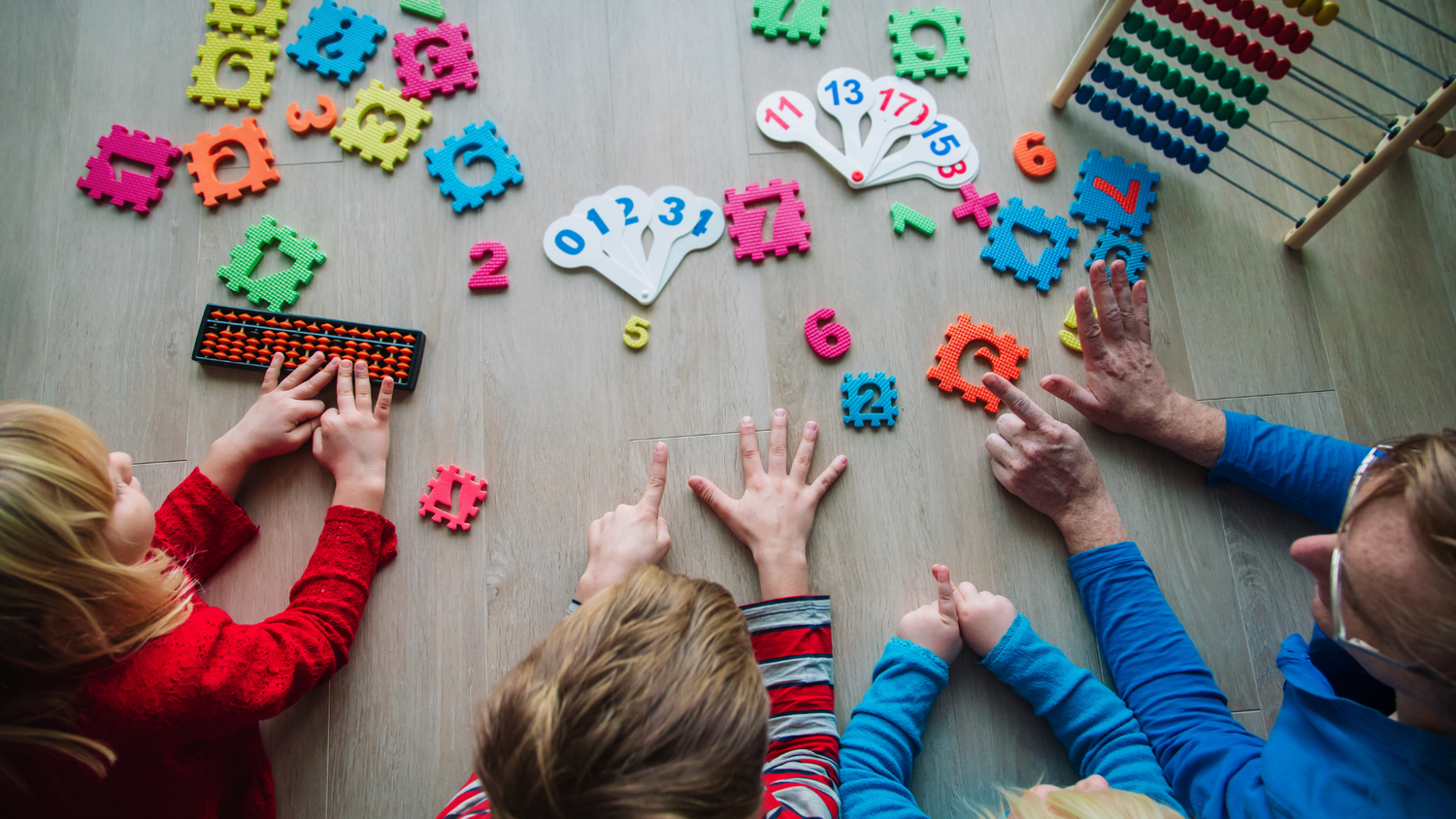
Sometimes there are gaps in the foundations.
Children are often asked to build on skills they haven’t fully understood yet. When that happens, learning becomes frustrating and exhausting — even for bright, capable kids.
Taking time to strengthen the basics can make a remarkable difference in confidence, understanding, and ease.
Many children struggle in more than one area, and it isn’t always clear which difficulty came first. That’s okay. You don’t need to sort everything out at once.

Online Tutoring support
Karen offers therapeutic tutoring on Zoom. She's good at creating rapport so most students seem to adapt to online tutoring well. If you’re interested in one-to-one support, you can reach out to ask questions and see whether tutoring might be a good fit. There’s no obligation.

Free parent community
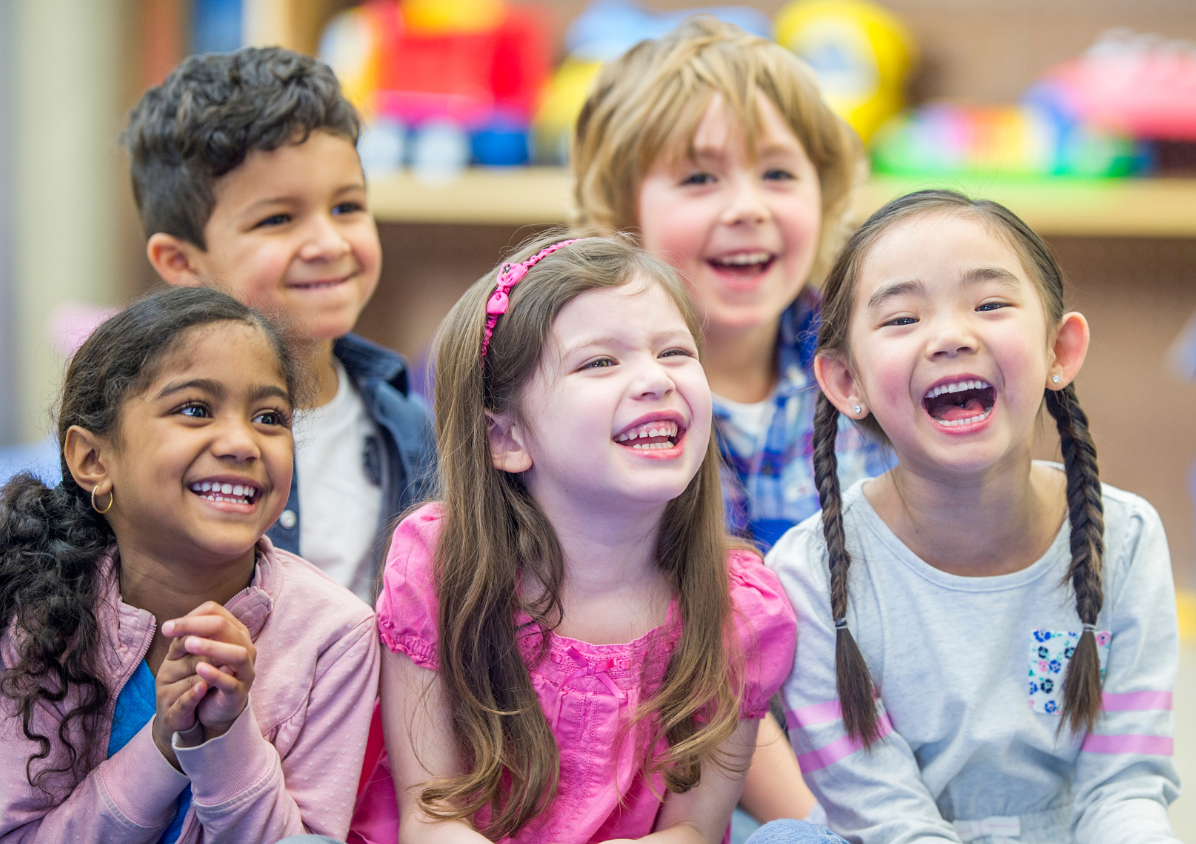
If you’d like encouragement, shared learning, and occasional free workshops, you’re welcome to join our free parent community. You can also help Karen determine what content or products to create if you're so inclined. Listening quietly is always okay.
Math support
If math seems to be the main struggle, you can start with a free, gentle math assessment to help you see if missed basics could be part of your child's struggle. This is the same assessment Karen's has used for decades when she starts with a new student who struggles with math. It helps provide her with information and a place to begin.


Reading, writing & spelling support
If language-based learning feels harder, you can learn how these challenges often show up and what kinds of support can help here.